


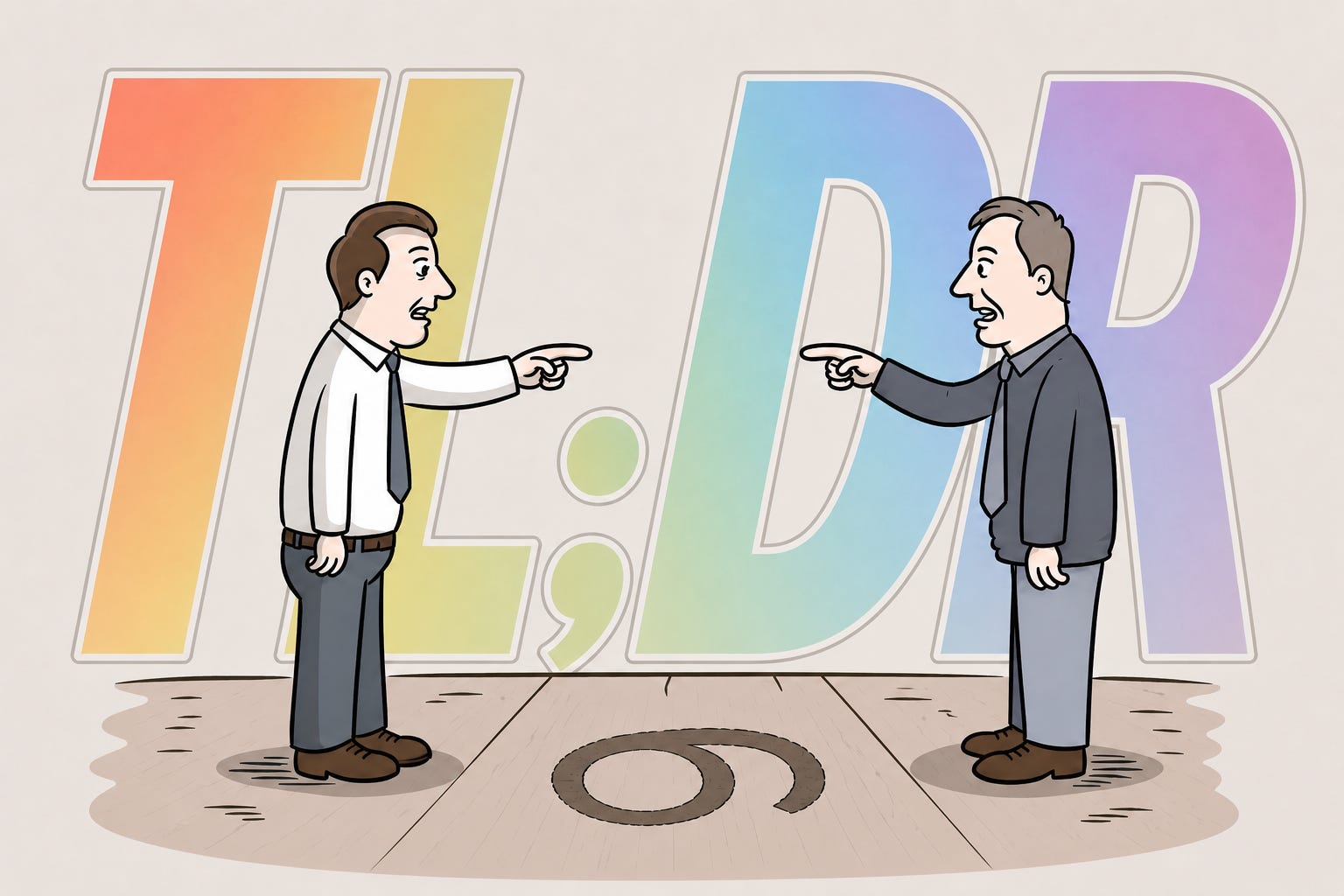
This is the “too long; didn’t read” version of a full length article.
To view the original article or listen to the transcription, Click Here.
Most of us have seen the image: two people standing on opposite sides of a symbol painted on the ground. One sees a 6. The other sees a 9. Both are confident. Both are looking at the same thing. Both are telling the truth as they see it.
The image works because perspective matters. Where we stand shapes what we notice first. Our experiences, fears, responsibilities, frustrations, and hopes all influence how we interpret what is in front of us.
But the lesson cannot simply be that everyone gets their own truth.
A perspective can be honest and still incomplete.
That distinction matters in Clallam County because our challenges are complicated, personal, and interconnected. Homelessness, public safety, economic development, addiction, mental health, environmental stewardship, blighted properties, local government, and the future of our downtowns do not fit neatly into partisan categories.
We do not get our own truth. But we do need each other’s perspectives.
That is harder than it sounds.
The pull toward sides is part of being human. It is not limited to one political party, ideology, institution, or type of person. Elected officials can fall into it. So can activists, business owners, nonprofit leaders, public agencies, online commenters, and ordinary residents trying to make sense of difficult issues. I can fall into it too. We all can.
Tribal thinking often feels like clarity from the inside. It tells us who is right, who is wrong, who cares, who does not, who should be trusted, and who should be dismissed. But it can also narrow what we are willing to see.
Once we have chosen a side, we may accept weak arguments from people who agree with us while rejecting strong arguments from people who do not. We may excuse behavior from our own group that we would condemn in someone else. We may repeat claims because they are useful, not because we have checked whether they are true.
That is not discernment. That is identity protecting itself.
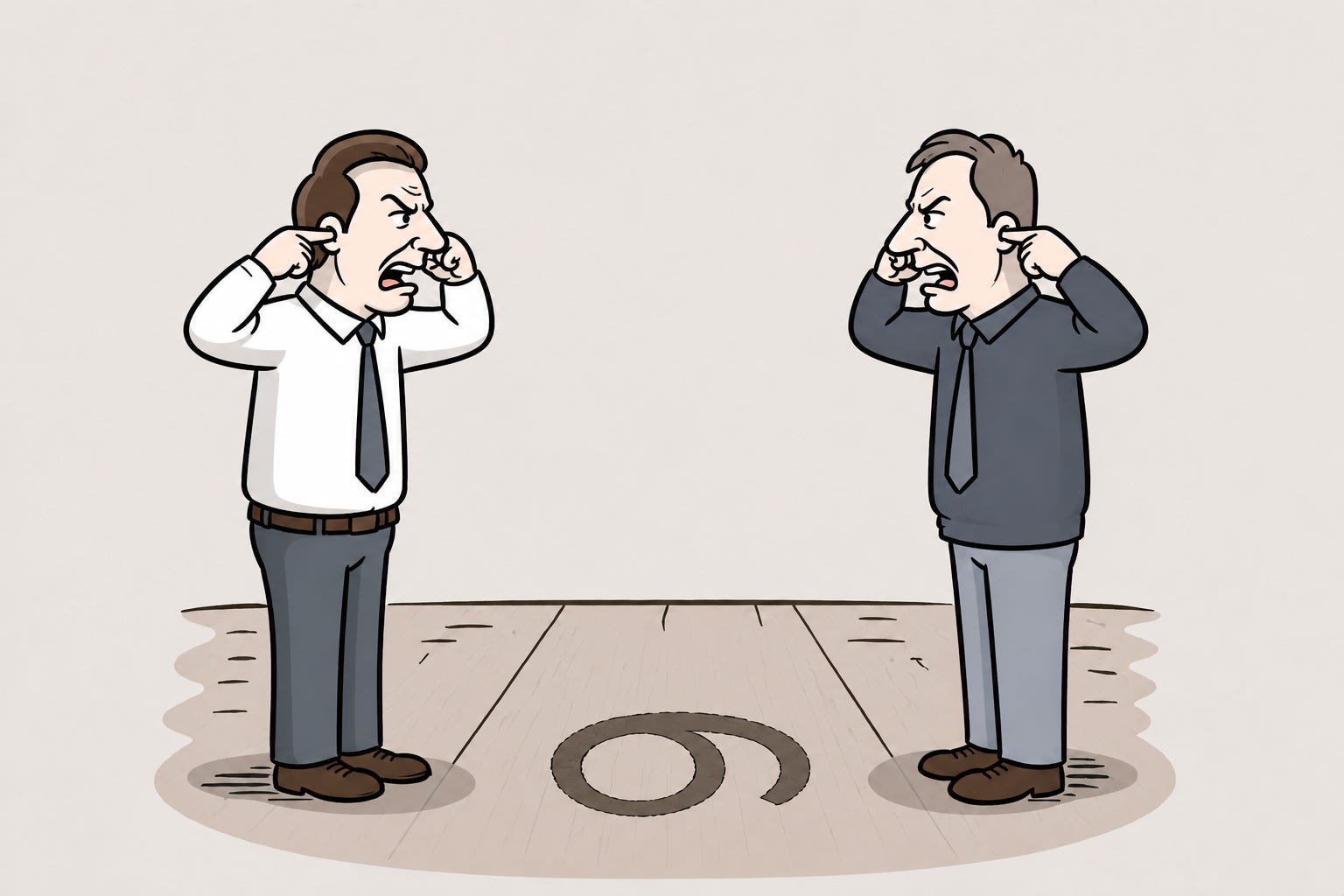
And when that happens, local problem-solving suffers.
One of the most damaging habits in public life is the temptation to turn disagreement into indictment. We move too quickly from “I think this person is wrong” to “this person does not care.” From “I believe this policy will fail” to “they want failure.” From “I think this decision may cause harm” to “they are choosing harm on purpose.”
Sometimes motives do deserve scrutiny. Power should be questioned. Public decisions deserve accountability. Not every argument is made in good faith, not every claim is accurate, and not every proposal is wise.
But there is a difference between asking hard questions and assuming the worst.
In my experience, most people involved in local debates are not trying to harm the community. Most people are trying to protect something they believe matters.
Often, the disagreement is not whether people want to help. The disagreement is what help requires.
That is where humility becomes essential. Humility does not mean abandoning conviction. It does not mean pretending every idea is equally good or every claim is equally true. Humility means being honest enough to admit that our first reaction may not be our wisest one. It means being willing to ask, “What am I missing?” before we ask, “How do I win?”
Curiosity matters too.
Curiosity means we are willing to understand before we dismiss. It asks: What problem is this person trying to solve? What are they trying to protect? What experience might have led them to see it this way? What part of their concern may be legitimate, even if I disagree with their conclusion?
Curiosity does not solve everything. Some claims will still be false. Some proposals will still be unworkable. Some behavior will still need to be confronted. Some decisions will still require hard lines.
But curiosity can keep us from becoming careless with one another.
We also need discernment, especially in a time when even facts can feel partisan. A number gets shared, and before we ask whether it is accurate, we ask whose argument it helps. A story gets told, and before we consider what it reveals, we decide whether the person telling it belongs to the side we trust.
When that happens, truth-seeking becomes team sport.
Facts do not become unimportant because they are inconvenient. They do not become true because they help our preferred argument. They do not become false because someone we dislike said them out loud.
A community serious about solutions has to be willing to accept true information even when it complicates our argument, reject false information even when it helps our side, and say “I do not know enough yet” when certainty would feel more comfortable.
That is not indecision. It is integrity.
This matters especially when we talk about homelessness. Some people begin with compassion. They see poverty, trauma, addiction, mental illness, disability, and people who are suffering. That perspective holds real truth.
Others begin with public safety, neighborhood impact, and the strain placed on businesses, workers, families, parks, trails, waterways, and public spaces. They see theft, threats, vandalism, fires, dumping, drug activity, environmental damage, and repeated behavior that affects everyone nearby. That perspective is no less true.
If we are serious about solutions, we cannot dismiss either one.
Being homeless is not a crime, and it should not be treated like one. A person does not lose their dignity because they are poor, addicted, mentally ill, disabled, traumatized, or living outside.
At the same time, harmful conduct does not become harmless because it is connected to suffering.
There is a difference between criminalizing a person’s status and responding to harmful conduct.
Compassion without accountability can become enabling. Accountability without compassion can become cruelty. A healthy community needs both.
The same discipline applies beyond homelessness. Whether we are talking about economic development, public safety, workforce needs, blighted properties, addiction, mental health, environmental stewardship, or the future of our downtowns, the most useful question is rarely, “Which side does this idea belong to?”
The better question is, “What actually helps?”
Good ideas do not become bad because they come from someone outside our usual circle. Bad ideas do not become good because they come from someone on our side. If a good idea only sounds good when our side says it, we are not thinking clearly enough.
Clallam County needs practical solutions more than ideological purity. We need ideas that can work in the real world, with real budgets, real people, real limitations, and real consequences.
That requires better leadership and better citizenship.
Leaders should be transparent, honest about tradeoffs, willing to explain decisions, and humble enough to admit when something is uncertain or not working. The public should question decisions, challenge assumptions, criticize outcomes, and demand better.
But criticism becomes less useful when it turns into contempt.
We can ask hard questions without assuming corruption. We can challenge a decision without attacking the humanity of the people who made it. We can demand accountability without turning every disagreement into a moral indictment.
So what does this look like in practice?
Before we decide we have seen the whole problem, we walk around it.
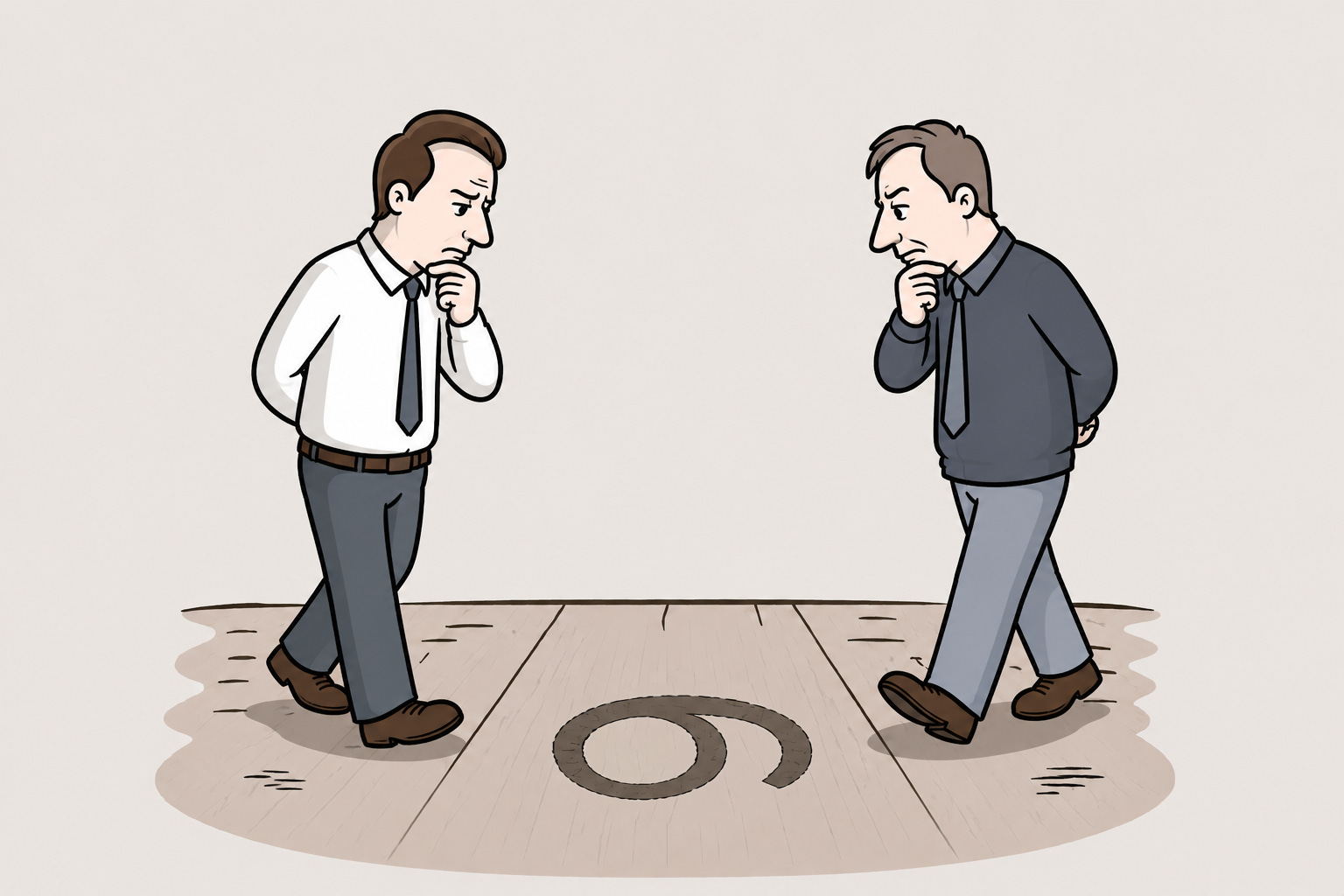
We ask: What do I actually know? What am I assuming? Who is directly affected? Whose perspective have I not heard? What harm am I trying to prevent? What harm might my preferred solution unintentionally create? What facts would cause me to reconsider? What would success look like in real life?
Walking around the problem does not mean delaying forever. It does not mean avoiding hard choices. Some decisions have to be made. Some harms have to be addressed. Some lines have to be drawn.
The goal is not to admire complexity.
The goal is to understand enough to act more wisely.
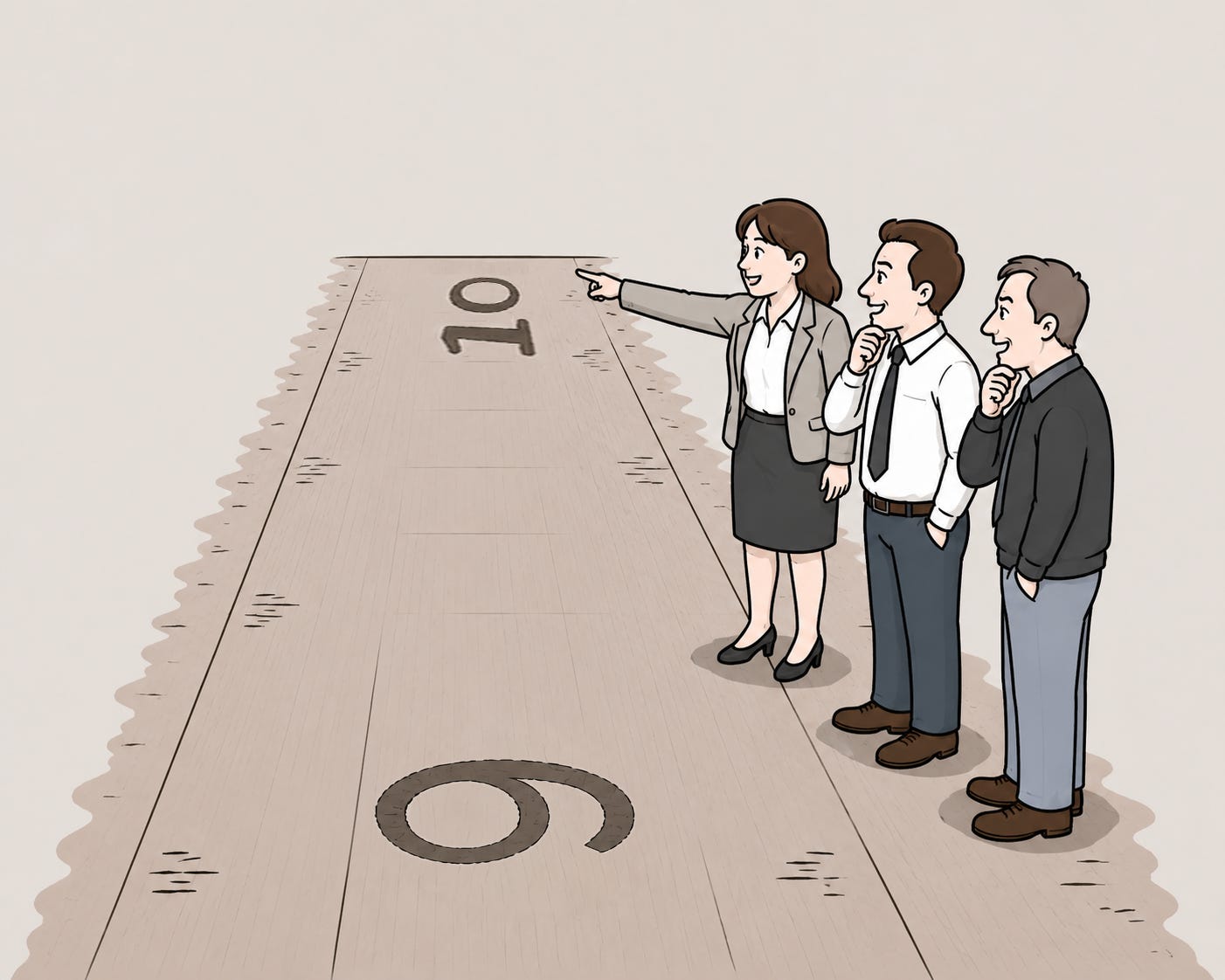
Clallam County does not need more people shouting from opposite sides of the symbol on the ground. We already have enough of that. What we need are more people willing to ask better questions, test what we think we know, listen long enough to understand what someone else may be seeing, and care more about solutions than sides.
We may still see different things from where we stand.
But we do not have to stay standing there.
And maybe… just maybe… if we can have honest conversations we will be able to move forward toward better solutions for all of us, even having learned a little more along the way.
This has been the TL;DR version of the article Walking Around the Problem. Be sure to click here to read or listen to the original long form article.
Active dialogue and engagement with our readers is crucial. Writers on this platform are encouraged—and expected—to revisit their articles regularly, responding thoughtfully to readers’ questions and concerns.
We want conversations, not shouting matches. Therefore, comments will be reviewed regularly and are expected to adhere to these foundational guidelines:
Stay on Topic: Comments must relate directly to the article.
Respectfulness: Every comment should demonstrate respect toward authors, website management, and fellow commenters. Bullying, name-calling, or disrespectful behaviors will not be tolerated.
Constructive Dialogue: Political grandstanding is unwelcome here. While some discussions naturally involve political elements, the goal is to enhance understanding, clarify perspectives, and contribute constructively.
No Personal Attacks: As Theodore Roosevelt wisely said, it’s the person who is “actually in the arena” who deserves our respect. Criticism is welcome, but personal attacks are not.
Transparency: Any new guidelines needed as this platform evolves will prioritize civility, decency, and productive dialogue.